Cable Laying / Threading Service
Introduction
The ferret (Mustela putorius furo) is a domesticated form of the European polecat (Mustela putorius putorius), and has been used by humans for over 2,000 years to hunt rabbits. The European rabbit (Oryctolagus cuniculus cuniculus) was introduced to Britain by the Romans in the First Century AD, as food for the marching Legions. The ferret is the perfect animal to use to bolt coney from their underground warrens, and some of these animals would be carried by the legionnaires to ensure they could have rabbit stew for supper.
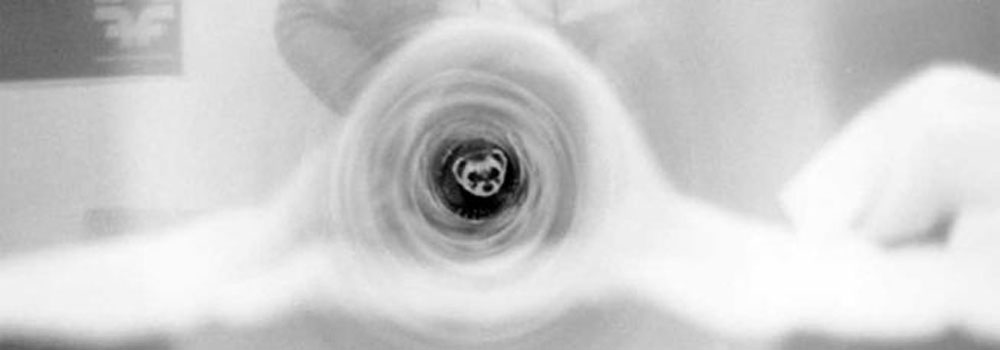
With a long, lean and extremely flexible body (thanks to its articulated vertebrae), the ferret has evolved to travel down long, narrow, convoluted underground tunnels, driven by the quest for food and their innate curiosity. Humans use the term “ferret” to denote a tireless search, and ferrets are persistent in their mission to find what is at the end of a tunnel, pipe or duct.
The unique combination of the ferret’s characteristics make the species ideal to help humans in many endeavours, and we utilise them in engineering and agricultural projects.
Company Background
James McKay, director of the company, is a zoologist, and recognised internationally as a leading authority on ferrets and their uses in industry and agriculture. With worldwide experience of the species, James has written several books on the subject.
Here at The Working Ferret, we have extensive expertise and experience, combined with an array of specialist tools and equipment, to ensure our service is the leader in the field. Throughout our many years of working with ferrets (our company was established in 1984), we have developed specific systems and operating procedures to ensure our work is efficient and effective. We have also developed specialist pieces of equipment, many of which are unique to us.
Our Services
Our team – humans and ferrets – have vast experience of working on construction sites, in factories, malls, farms, stately homes, heritage sites, housing estates, and remote cottages, barns and stables, threading cables and draw ropes, as well as locating blockages in underground drains.
We use our ferrets to thread cables, cords, ropes and lines underground, through pipes and conduits, behind false ceilings, through wall cavities and in many other situations.
We regularly use our ferrets to thread cables and pipes carrying electricity, data (including fibre optic), phone lines, gas and fluid.
Equipped with a transponder, our ferrets can find blockages in underground drains etc.
In order to ensure our ferrets are ready for any job, we train them to operate in pipes of different diameters, different materials, and different textures, and in pipes which are straight, convoluted, slope downwards, slope upwards etc.
Our Ferrets
We have over 50 ferrets (technically known as a business – the collective noun for the species) of different sizes, allowing us to always have several animals suitable and available for every job, without over-working them.
Our ferrets are highly experienced at their job, and can easily and quickly pass along pipes, ducts and drains as small as 75mm in diameter.
To-date, the longest length of pipe our ferrets have successfully negotiated was 150 metres (about 500 feet). There is no reason to believe that we could not operate in longer pipes.
The Work
It is not always easy to thread cables and wires using rods (even with flexible rodding systems such as the Cobra), especially where the conduit is convoluted and snakes its way underground, over false ceilings or through wall cavities, and it is not uncommon for companies to have to use expensive plant, machinery and skilled personnel to accomplish this.
On heritage sites, where underground cabling is required, but the need to avoid damage to structures on-site is essential, the use of heavy plant and machinery is best avoided, while our service is uniquely suited, causing no damage, while accomplishing the objectives.
Missing or broken draw ropes can cause major headaches for contractors, and need to be maintained or replaced on a regular basis, and our ferrets can quickly and easily help replace them.
Our ferrets, under the direct supervision of trained and highly experienced technicians, help thread cables without incurring high costs.
Safeguards
Our ferrets are extremely important to us, and we place the welfare of the animals above the needs of the company.
All our technicians work to a strict Code of Practice which ensures the wellbeing of the ferret at all times.
We are fully insured, including £10M PLI, and supply all clients with comprehensive risk assessments and method statements (RAMS) before any work is conducted.
With highly experienced and trained technicians supporting the ferrets, our clients are assured of an extremely efficient, effective and professional service.
CONTACT US [info@workingferret.co.uk] TO DISCUSS YOUR REQUIREMENTS OR FOR A NO-OBLIGATION QUOTE.
Historical References
Nuclear Ferret
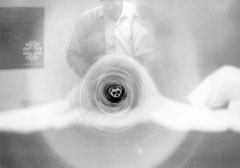
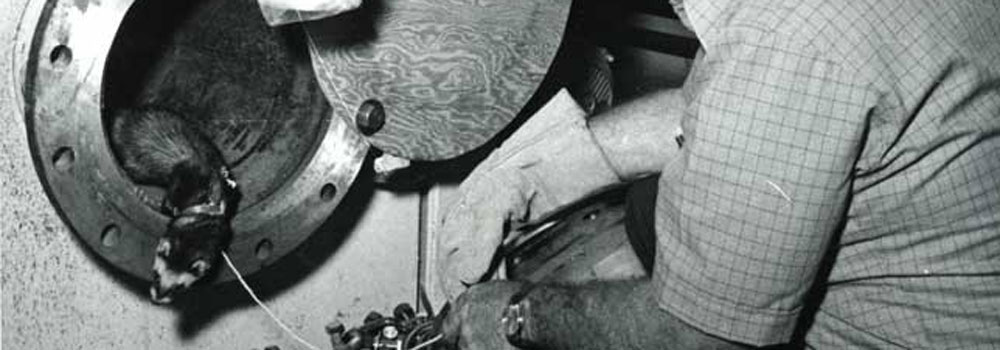
The accelerator was made from 92 metre (300 foot) long, individual pipes, which had to be spotlessly clean for the particle accelerator to work; any imperfections or dirt would interrupt the powerful beam of energy as it was fired through the tubes.
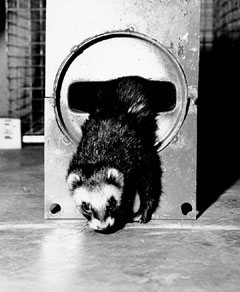
Sheldon had witnessed ferrets being used by gamekeepers in England, who sent them into burrows to chase rabbits from warrens.
Enter Felicia the ferret.
Felicia was fitted with a collar to which was attached a string which she pulled through the pipe. To the end of this string was fastened a swab which was pulled through the pipe to clean it.
Ferret Electrician
Freddie was a ferret used by electricians to thread wiring and cable in Auckland, New Zealand.
Freddie was very good at his job, and on one morning is recorded as laying cables through 60 different pipes, the longest of which was 40 metres (130 feet).
His prowess, however, was not appreciated by the country’s Electrical Workers’ Union, who insisted that Freddie could not continue his work unless he became a member of the Union. As far as we know, Freddie is the only mustelid in the world to hold a valid union membership.
Royal Ferrets
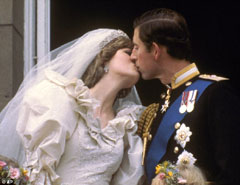
The cables had to be fed through very narrow underground ducts under the cathedral, and although conventional methods had been tried, these had failed. The ferrets, however, were successful, and engineers were able to attach TV cables to lines threaded by the ferrets, and pull the cables through the ducting.
Broadband Ferrets
On 1st April, 2010, Virgin Media pulled off a great April Fool joke, by issuing a press release claiming that the company had been using ferrets to lay broadband cables in rural areas of the UK.
Transcontinental Ferrets
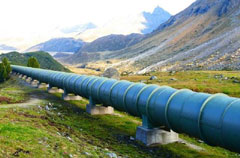
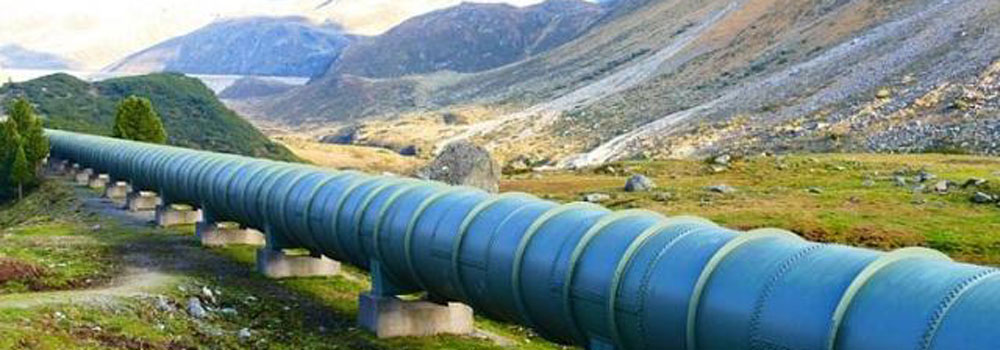
At the end of long, hard days, the men working on the pipeline would relax by racing ferrets through sections of pipe, taking bets on which one would emerge first – this led to the creation of the now extremely popular ferret racing.
Military Ferrets
Im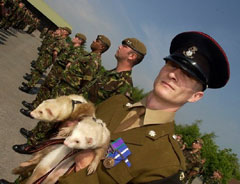
Cold War Ferret
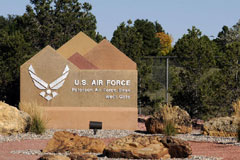
Millennium Ferrets

Once the ferrets had completed their work, the concert went ahead and was viewed by millions around the globe.
High Flying Ferrets